
Subhash Nagre atau Sarkar, kepala keluarga paling berkuasa di Maharashtra, terus menjadi pusat perhatian karena pengaruhnya yang besar terhadap massa. Dalam petualangan ini, sang Godfather ditemani oleh cucunya Shivaji Nagre yang mencintai dan membenci kakeknya dengan intensitas yang sama. Akankah Shivaji mengkhianati Subhash? Ataukah dia akan menjadi mangsa intrik kakeknya?
Detail Info
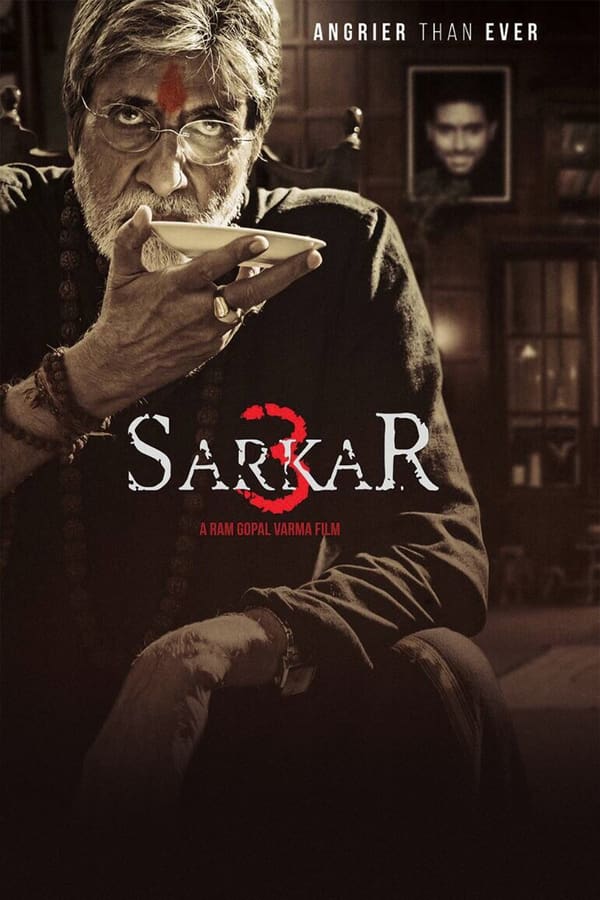
- Judul : Sarkar 3 (2017)
- Rilis : 12 Mei 2017
- Negara : India
- Bahasa : Hindi
- Sutradara : Ram Gopal Verma
- Genre : Crime
- Produser : Anand Pandit, , Suvidesh Shingade, Rahul Mittra, Gopal Shivram Dalvi
- Pemeran : Yami Gautam, Amitabh Bachchan, Amith Sadh, Manoj Bajpayee, Ronit Roy, Jackie Shroff, Bharat Dabholkar, Parag Tyagi, Rohini Hattangadi, Bajrangbali Singh, Shiv Sharma
- Music : Rohan Vinayak
- Sinematografi : Amol Rathod
- Distributor : Eros International
Plot Sinopsis Sarkar 3 (2017)
Gandhi merupakan seorang pengusaha yang berusaha mendekati Sarkar (Amitabh Bachchan) untuk meminta bantuan sebab Gandhi bermaksud ingin membangun real estate di daerah perkampungan kumuh yang luas. Sarkar lalu menyarankan Gandhi dengan menawarkan konpensasi yang layak serta merelokasi penghuni kawasan kumuh tersebut.
Gandhi lalu menganggap hal tersebut terlalu mahal dan dia lebih suka menawarkan komisi yang lebih kecil. Sarkar pun menolak dengan permintaan Gandhi. Gandhi bersikeras dia akan bekerja sama dengan orang lain yang juga memiliki kekuatan. Sarkar menegaskan dirinya tidak akan membiarkan Gandhi untuk terus maju. Gandhi melaporkan kepada bossnya yang berada di Dubai yaitu Vallya (Jackie Shroff).
Mereka lalu bekerja sama dengan Govind Deshpande (Manoj Bajpai) yang merupakan seorang pemimpin oposisi yang merencanakan mengusir Sarkar. Istri Sarkar (Supriya Pathak) memohon agar Sarkar mengizinkan Shivaji “Chiku” (Amit Sadh) bergabung bersama dengannya. Sarkar merasa ragu terhadap Chiku yang memiliki sikap berkepala dingin dan juga bergejolak seperti ayahnya yang bernama Wisnu. Namun Sarkar akhirnya membiarkannya untuk menemuinya.
Chiku segera bentrok dengan tangan kanan Sarkar yaitu Gokul (Ronit Roy) atas berbagai hal termasuk didalamnya menghancurkan Hashpande. Hal ini bukan tanpa alasan sebab Anu (Yami Gautam) yang merupakan pacar Chiku mengggunakan Chiku untuk sampai ke Sarkar sebab Sarkar telah memerintahkannya menghilangkan ayah Anu. Sementara itu Gandhi mulai mendekati Gokul dengan menghasutnya untuk membantunya atau jika nantinya Chiku menjadi Sarkar dan Gokul akan tetap menjadi pelayan.
Deshpande merencanakan dengan Gandhi dan Vallya untuk menghasut pekerja pabrik untuk melawan Sarkar. Sementara Chiku berada dalam medan pertempuran untuk menyerang Deshpande. Sarkar berusaha memperhitungkan sosok yang menjadi dalang semuanya. Suatu hari Deshpande dikejar dan dibunuh dengan susah payah dan Sarkar yang telah memiliki reputasi disalahkan. Sarkar mencatat bahwa siapapun yang melakukan hal tersebut telah direncanakan.
Ketika pembunuh melepaskan tembakan ke sarkar di Ganpati Visarjan, Hal ini menjadi jelas bahwa lingkaran dalam Sarkar telah dilanggar. Kemudian Chiku menunjukkan kepada Sarkar video pertemuan Gandhi dan Gokul. Sementara Gokul mengatakan bahwa Chiku dimanfaatkan oleh Anu dan berusaha melakukan balas dendam terhadap ayahnya. Sarkar pun mengusir Chiku dimana Chiku bergabung dengan Gandhi.
Vallya memerintahkan untuk meledekan pabrik. Gokul melaporkan bahwa hal itu dilakukan oleh Chiku dan Gandhi. berjalannya waktu, Istri Sarkar meninggal dunia. Gokul meminta kepada Sarkar untuk memberi perintah membunuh Chiku. Chiku berusaha di bunuh dengan cara ditembak namun Chiku dapat kabur. Gokul pun mulai memburunya. Segera, Gokul ditembak mati.
Vallya tiba di India menemui Sarkar. Vallya menjelaskan bahwa Chiku tidak berpengalaman untuk menjadi Sarkar untuk itu dia tidak berguna dan dia menawarkan diri untuk membantu Sarkar membunuh Chiku. Sarkar lalu menjelaskan bahwa Chiku dikirim untuk menginfilterasi Gandhi atas perintahnya sendiri. Permasalahan dengan Anu telah diselesaikan dan dia juga telah merasa percaya diri.
Pada saat Gokul beralih ke Gandhi dalam berperan dalam agitasi pabrik dan juga dalam pembangunan di daerah kumuh, Gokul mengesampingkan Chiku dan akhirnya menjadi Sarkar. Tujuan tersebut untuk menarik keluar Vallya dari sarangnya.
Anu yang berpihak pada Sarkar menembak mati Gandhi. Sementara Chiku masuk ke dalam ruangan tempat dimana Sarkar sedang bersama dengan Vallya. Terdengar suara tembakan Dan Vallya terbunuh. Musuh mereka sekarang telah tewas Chiku dan Sarkar duduk bersama menikmati teh dan Sarkar memberikan didikan kepada Chiku mengenai permasalahan politik.